
At 4:30 p.m. on September 6, the annual maintenance program for the Xingu Rio Transmissora de Energia (XRTE) transmission system was successfully completed. The operation, led by the UHV department of State Grid Brazil Holding (SGBH), reinforces the reliability of Brazil's continuous power supply, especially during the upcoming rainy season.
The maintenance window, known as the Preferred Maintenance Period (PPM), is a special period defined by ANEEL (National Electricity Regulatory Agency) that grants ultra-high voltage direct current (UHVDC) projects up to 80 hours of equivalent bipolar shutdown. Utilities use this opportunity to improve equipment health and enhance system stability.
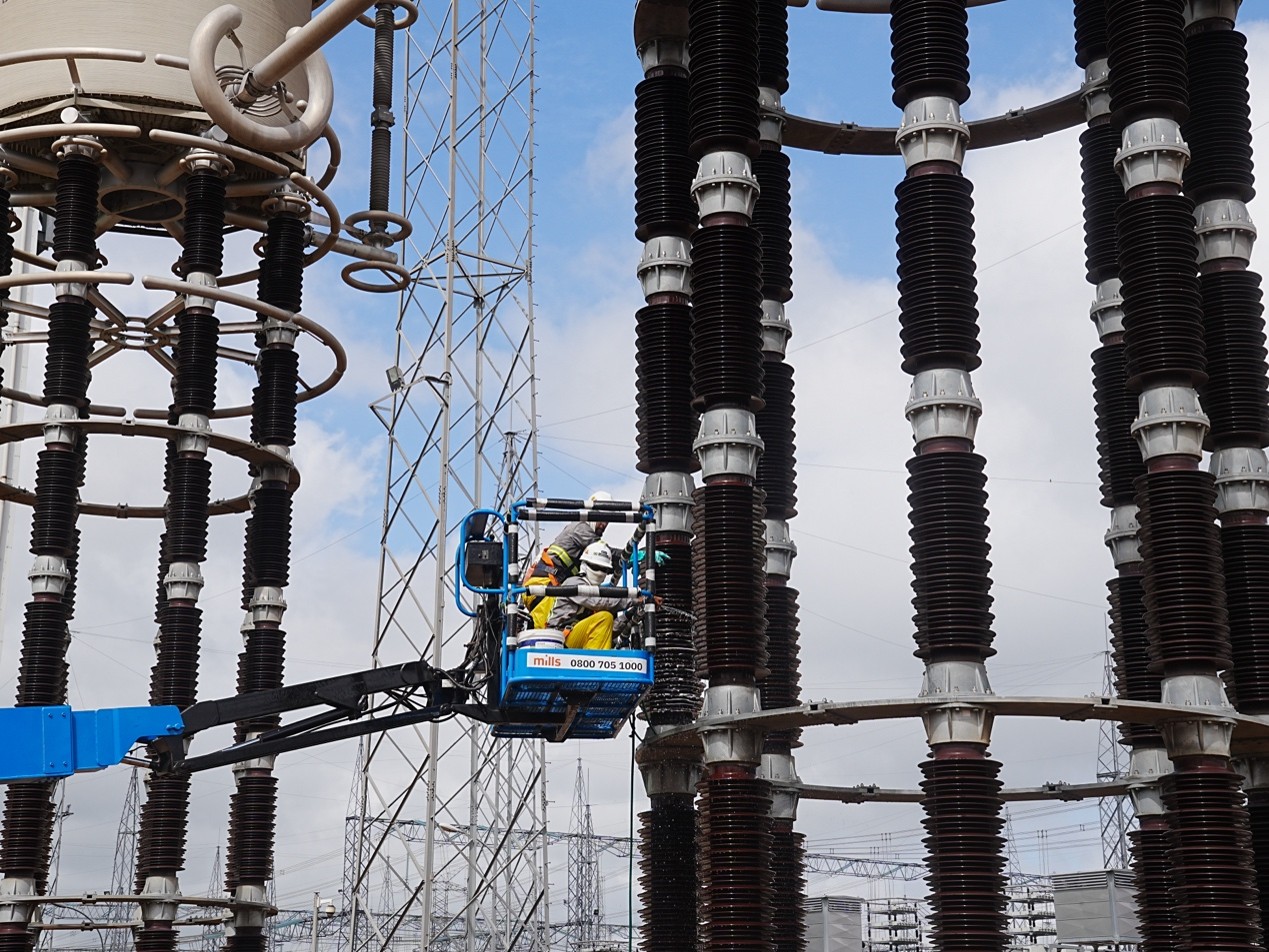
XRTE maintenance took place between August 22nd and September 6th. It included preventive and corrective maintenance tasks. Additionally, seven hidden risk mitigation projects were carried out, including the optimization of control software at the Rio Terminal, replacement of equipment parts, and calibration of monitoring systems.
Strict safety measures were implemented throughout the entire process. Before beginning work, professionals underwent health checks, training, and practical exercises to ensure awareness of operational risks, protective measures, and the safe and efficient execution of the maintenance program. A total of 35 Chinese engineers came to Brazil to participate in the work.
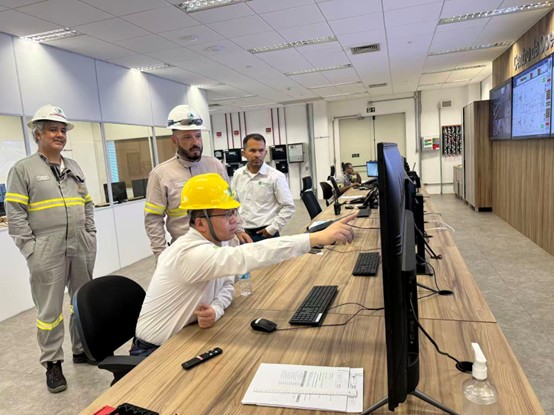
During the annual maintenance, SGBH Vice President Wang Yusheng visited the Xingu station. He conducted a thorough inspection of the progress of the operations: "We have an unwavering commitment to safety and reliability," he emphasized.
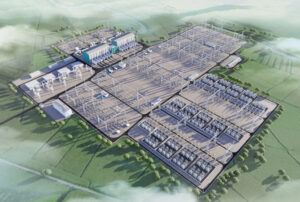
Operating since August 2019, XRTE operates the 800 kV ultra-high voltage direct current (UHVDC) power transmission line. Serving as a vital conduit from the Belo Monte hydroelectric plant in Pará to Rio de Janeiro, it accounts for 70% of Rio de Janeiro state's energy consumption. The line, which is 2,543 km long, runs through 81 municipalities in five states in the North, Central-West, and Southeast regions. Since its inception, the project has been operating steadily and has transmitted over 90.8 billion kWh of cumulative energy.